


Come spring, the nursery catalogs will be arriving in the mail. All of us are entertaining grandiose gardening plans. This year, while planning your food gardens, consider adding some plants that can also be used as medicine. I know, I know, it’s more fun to think of spring and all its loveliness, but with the current health care issues, it’s helpful to remember that winter and sickness always roll around again. Adding medicinal garden plants might be the best insurance.
Garlic (Allium sativum)
Aren’t we lucky that one of the most powerful and all around useful herbs is also delicious? Garlic is one of the most effective antimicrobial plants around since it fights bacteria, viruses, and parasites. In the respiratory system, garlic helps with infections that cause bronchitis, recurrent colds, influenza, and congestion. In the digestive track, garlic supports the proliferation of healthy bacteria while attacking pathogenic bacteria and parasites (don’t ask me how this wondrous plant knows the difference). It can also be used externally to treat ringworm and threadworm.

Throwing garlic into your meals will give you a preventative daily dose. If you feel a cold or congestion coming on, take ½ teaspoon of garlic oil every hour. To make the oil, mash one or more bulbs of garlic into enough apple cider vinegar or olive oil to cover and mix well. Allow to stand for one or two days. Strain the oil through cheesecloth or a thin cotton towel, wringing and squeezing the garlic until you have collected all the juice. Store in the refrigerator. This oil can also be added to food. Furthermore, a few drops warmed and placed in the ear can help with ear infections.
Garlic grows best in rich, moist, sandy soil in a sunny spot. Divide the bulbs into cloves and plant each clove about two inches deep and six inches apart. Try to keep the bed free of weeds and occasionally mound soil over the bulbs. Plant in February or March if you want to harvest the garlic in August or September. Garlic is ready to be harvested when the leaves begin to wither and fall over.
Chamomile (Anthemis nobilis)
Chamomile is the quintessential herb for teas. It has a pleasant, sunshine taste, it’s gentle enough for children and elders, and it has a host of benefits. Drink chamomile frequently to add peace to your body and your day. Chamomile calms the body, particularly the nervous and digestive systems. In part, this is because chamomile is high in calcium and magnesium. As such, it is helpful for dealing with muscle tension, headaches, bellyaches, flatulence, colic, insomnia, and achiness due to colds and flu. Chamomile’s anti-inflammatory properties also aid in the treatment of sore throats, hemorrhoids, sore eyes, acne, wounds, ulcers, and conjunctivitis.

To make an herbal tea, place two teaspoons of dried herb into one cup of boiling water. Cover and steep for 15-20 minutes. Strain and sweeten with honey, if desired (do not give honey to children under the age of one). With gentle herbs such as chamomile, more herb can be used to make a stronger, more therapeutic tea.
Chamomile likes a sunny place in sandy soil. The “Roman” variety, Anthemis nobilis is a perennial while the “German” variety, Matricaria, is an annual. Both have similar uses but the German variety is sweeter, with an apple taste. Chamomile is hardy and can withstand some foot traffic. However, it sometimes attracts aphids; take care of these pests by encouraging a visit from the ladybugs and by hosing the plants with a strong spray. Harvest the flowers on a dry morning after they have fully bloomed.
Dandelion (Taraxacum officinale)
Another beautiful present from Nature. Yes, those weeds in your yard are incredibly effective herbal medicine. Dandelion is very nutritive and acts as an overall tonic for the entire body. It provides a good dose of vitamins A and C, lecithin, potassium, boron, calcium, and silicon. It is particularly useful in supporting the digestive system because dandelion is a digestive bitter that induces bile flow, cleans the hepatic system, helps with gallstones, gastritis, gout, urinary tract infections, bladder stones, kidney stones, and flatulence.
Dandelion is best harvested when it firsts appears in the spring; the entire plant can be used. Consider making dandelion “coffee” in order to feed the body, purify the blood and liver, and to feel more relaxed. Simmer two teaspoons of roasted dandelion root and one teaspoon of roasted chicory root in two cups boiling water. Make a tea as above. Add honey to taste.
You probably already know that dandelion likes open, sunny places. If you are actually lacking in dandelions, you can order seeds at Strictly Medicinal Seeds.
Lavender (Lavandula angustifolia)
Lavender is another herb that is very effective yet gentle enough for children and elders. It has an affinity for the nervous system and as such acts as an anti-depressant and a relaxant. It has a wide range of healing uses such as sore throats, toothaches, diarrhea, cough, arthritis, menstrual pain, and lowering blood pressure.

It is wise to have lavender essential oil on hand in the house, car, backpack, and/or diaper bag. It can be used directly on the skin for burns and wounds.
Lavender likes sunny places with sandy soil (think of the beautiful lavender fields in Provence). Harvest the flowers and stems on a dry morning after the flowers have bloomed.
Motherwort (Leonurus cardiaca)
Motherwort is truly “mother’s little helper”. As a woman’s herb, it tones the uterus, brings on delayed menses, lessens afterbirth and menstrual pain, soothes the storms of menopause, and helps maintain emotional balance. As the Latin name suggest, motherwort is a useful herb for the circulatory system; it can help to strengthen and normalize the heart, reduce palpitations, and lower blood pressure.

To make an herbal tincture the “Wise Woman” way, gather a good size handful or two of fresh or dried herbs and place in a glass jar. Cover the herbs with alcohol; brandy or grain alcohol are the most commonly used. Leave enough space so that you can gently shake the tincture every day for at least two weeks. Cover the jar with wax paper before you put the lid on if you are using a metal lid. After the allotted soaking time, strain the herbs. Tinctures generally last seven years. Three droppers-full is the usual adult dose.
Motherwort likes sunny places but will also thrive in partial shade. It is a member of the mint family and so it can take over if not contained. Plant it in dry, well-drained soil although it can tolerate poor soil. Harvest the leaves and the entire flower stalk with clippers when the flowers are in full bloom, anywhere from late June into August, being sure to leave enough flower stalks for reseeding to occur. It reseeds easily once established.
Stinging Nettles (Urtica dioica)
Stinging nettles may be the single most useful herb. It is nutrient dense and it helps to heal an amazing array of disorders. Best of all, it can be eaten like spinach, it’s easy to find, and it’s free. Some of the disorders that nettles can help heal are: bladder stones, sinusitis, hyper and hypothyroidism, fever, bronchitis, infections, and eczema. This is just a partial list; you can’t go wrong if you decide to use nettle for any ailment you have.

Nettles are most often found in shady, wet places, usually near a stream or pond. If you’re not sure you have found nettle, just touch it – you’ll know beyond a doubt! In fact, the Romans used to whack stems of nettle against sore, arthritic joints as therapy. The easiest way to plant this herb is to start with a piece of root or a runner from an established plant. Because of nettle’s sting and because it may become invasive, it is advisable to plant it off the beaten path or in containers. Nettle will lose its sting when dried or cooked. Strictly Medicinal Seeds also sells nettle plants and seeds, as do growers at herb plant sales.
Coneflower (Echinacea angustifolia)
Echinacea is a prime support for the immune system. As such, it should be widely used for any type of infection. A tincture or decoction could be used for infections of the mouth, such as gingivitis, canker sores, toothaches, tonsillitis, and sore throats. A lotion with echinacea will help with sores, cuts, acne, hemorrhoids, and psoriasis. Use a tincture to help with internal infections as wide-ranging as urinary tract infections, herpes, influenza, respiratory infections, snake or spider bites, and swollen lymph glands.

Echinacea adores sunny places and is native to the Great Plains. The soil should be dry and fertile and the roots should not sit in water for any great length of time. Echinacea grows easily from seeds and also self-seeds well once it is established. Plant the seeds as soon as the soil can be worked and when one or two more frosts can still be expected. Thin the seedlings to 18 inches apart and protect the young roots from rabbits and hedgehogs. Water the young plants well and weed thoroughly since they are not competitive. Once established, however, echinacea is fairly low maintenance. You can also plant two months before the last frost date but the plants won’t bloom for the first year. The plants bloom between June and October; harvest the flowers when they fully bloom and harvest the roots in the fall.
Elder Tree (Sambucus nigra)
Okay, while not exactly an herb, planting an elder tree on your land is a wise investment for your family’s health (and for your property’s beauty). Elder has a wide range of medicinal uses and the bark, flowers, berries, and leaves can all be used. The bark helps one to “clear out”; it is a purgative, emetic, and diuretic. Internally, the leaves act in the same way as the bark but they can also be used externally to heal wounds and to soothe dry or irritated skin. The berries and flowers are both extremely useful in fighting colds, the flu, respiratory infections, congestion, and fevers. Studies in Israel have proven that elderberries are powerful medicine against the flu; this may prove to be important as we begin dealing with potent strains of influenza that don’t respond to allopathic medicine.

To make a syrup, pour two cups of boiling water over ½ cup of dried elderberries, cover, and let soak overnight. The next day, simmer for 30 minutes. Puree the mixture in a blender while adding ½ cup of honey. Pour the syrup into a clean bottle and refrigerate. It will last for a month or it can be frozen. Take ½ to one teaspoon every 2-3 hours if you have cold or flu symptoms or take one dose daily as prevention.
Elder can be grown from seed, simply plant the ripe berries one inch deep in pots outdoors. When they have grown to a size that allows you to manage, plant in semi-shade. Elder can also be propagated from a cutting or even a broken twig. Elder will tolerate most soils; if you have a chalky site then Sambucus nigra is very good. Don’t eat the berries raw and be sure to only use elderberries that are black (red elder is toxic). The elder grows more like a large shrub than a tree and some suggest pruning it deeply in the fall so it doesn’t become unmanageable. The flowers bloom in late May and into June. Look for the berries soon after so you can get to them before the birds and squirrels do.
Ginseng (Panax quinquefolius)
Ginseng is just plain useful in helping you get through life. It is an adaptogen, a term for an herb that helps the body deal with stress. Ginseng restores flagging energy, promotes optimal health, and helps one to feel more alert and capable. Like other adaptogens, ginseng helps normalize body functions. It can reduce high blood pressure or elevate low blood pressure or it can heighten sensitivity while lowering feelings of anxiety. Ginseng has also been used as a male tonic.
Please, please, please don’t harvest wild ginseng. Here in the Appalachians, we had (have) “Sang” hunters that had a special knack for finding patches of ginseng. However, wild ginseng is endangered. Buy cultivated dried ginseng from reputable sources such as Mountain Rose Herbs or, better yet, help return ginseng to the forest by planting your own! In fact, ginseng is a growing market and you might be able to start a small home business.
If you decide to grow ginseng, keep it in a mostly shady area. You can order seeds and rootlets from WildGrown.com or beg for berries from a reputable grower. Plant the seeds and cover them with about one inch of rotten leaves or mulch. Plant the seeds in the fall and they will sprout up in the spring. If you plant seeds in small plastic trays or peat trays, you can transplant them when they grow to a couple of inches high. When planting in pots, use pots that are at least 8 inches deep and use only plastic pots so they don’t dry out as easily. You should be able to harvest the roots in about three years or more. If you plant a little bit each year, you will have a steady supply of ginseng.
Licorice (Glycyrrhiza glabra)
Licorice is an effective support for the endocrine system. Our endocrine system is under constant assault – the adrenals have to produce too much adrenaline, the ovaries or testes receive too much estrogen from our environment, and the pancreas has to deal with too much sugar from the American diet, just to name a few problems. Licorice can help the endocrine system regain balance and this, in turn, can help your body regain harmony.
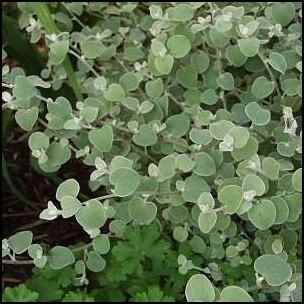
Licorice can be tricky to grow. It prefers warmer areas, zones 7 – 10, but some people grow it in colder areas by mulching it heavily in winter. It is better to propagate it from a piece of root but seeds can be purchased from Mountain Rose Herbs or Moonshine Designs Nursery. It prefers full sun to partial shade and dryish soil. The roots can be harvested in two to three years.
Most of the plants I have shared with you are easy to grow and harvest. Not only are they beautiful in your garden but they can be added regularly to your food and drinks. Enjoy your new garden knowing you have taken one more step to self-sufficiency!
Going Full Circle: A Journey Back to Sustainable Agriculture